Over the past few months, I have been spending a lot of time thinking about growth—not just the kind that can be measured through achievements, projects, or professional milestones, but the quieter kind that happens when your experiences begin to change the way you see yourself. It is the kind of growth that eventually makes you question whether the way you have been presenting yourself still reflects the person you are becoming.
That realization has been one of the reasons behind two things I have been intentionally working on lately:
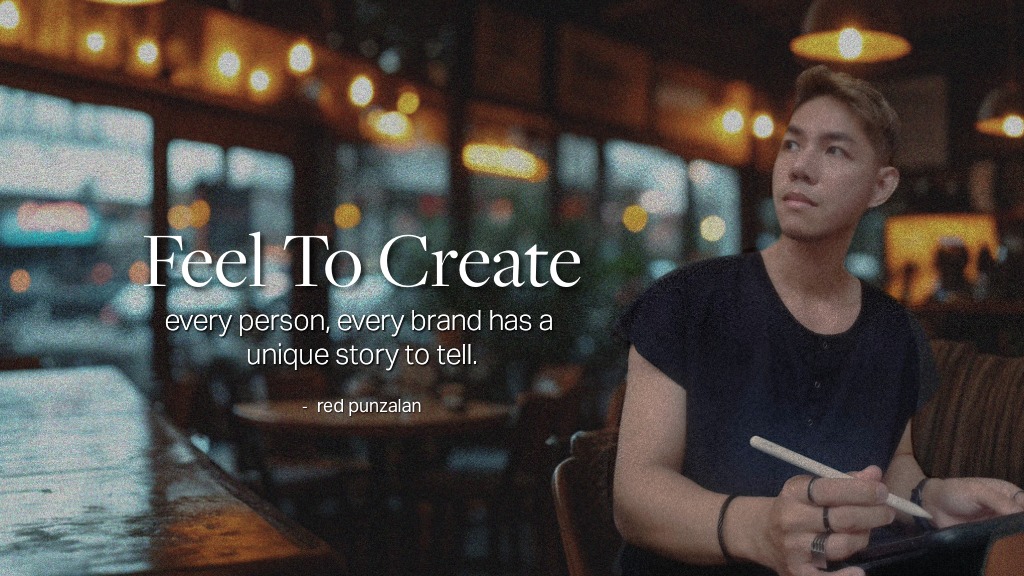
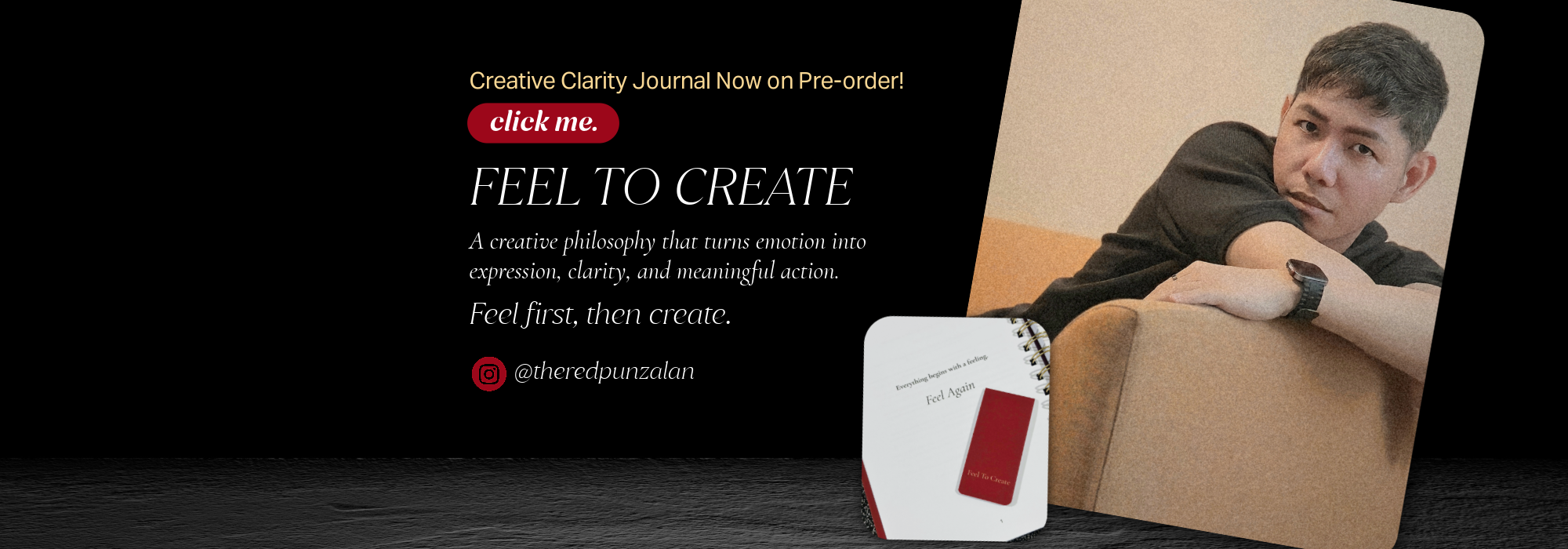
developing the Feel to Create workbook and evolving my own visual identity.
From the outside, these may appear to be two completely different projects. One is a workbook centered around creativity, reflection, emotions, and self-expression. The other is a refinement of how I present my work, my perspective, and my personal brand. But for me, they are connected by the same realization: I have changed, and the way I create, communicate, and position myself needs to evolve with me.
This is not about making things look more premium simply for the sake of looking premium. As someone who works in branding and visual strategy, I understand the importance of aesthetics and presentation. But aesthetics alone were never the reason I wanted to make these changes. What I was really trying to do was create a visual and strategic environment that felt more aligned with the person I have become through everything I have experienced.

When Experience Starts Changing the Way You See Your Work
For many years, I was focused on becoming better at what I did. I wanted to improve my skills, understand different industries, work with different kinds of people, and build a body of work that could demonstrate what I was capable of. Photography, branding, creative direction, marketing, strategy, and visual storytelling each became different parts of that journey.
Every project brought a different lesson. Some experiences gave me confidence. Others challenged my assumptions. There were opportunities that showed me what I enjoyed doing, and there were also experiences that made me realize what I no longer wanted to pursue. There were situations where I had to adapt, compromise, start again, and sometimes question whether I was moving in the right direction.
At the time, I often looked at these experiences individually. A project was simply a project. A difficult client experience was simply something to learn from. A change in direction was simply another decision I needed to make.
But as more experiences accumulated, I began to see patterns.
I started realizing that the work I was doing had always been connected by something deeper. I was never really interested in creating something simply because it looked good. Whether I was working on a photograph, a visual identity, a campaign, or a broader brand strategy, I was always interested in the reason behind it. What was this trying to communicate? What did it represent? What did the person or brand actually want people to feel, understand, or remember?
Eventually, I realized that I had been approaching creativity through that lens for much longer than I had consciously acknowledged.
The more I understood myself, the more I understood my work.
And the more I understood my work, the more I realized that my existing brand did not completely represent where I was anymore.

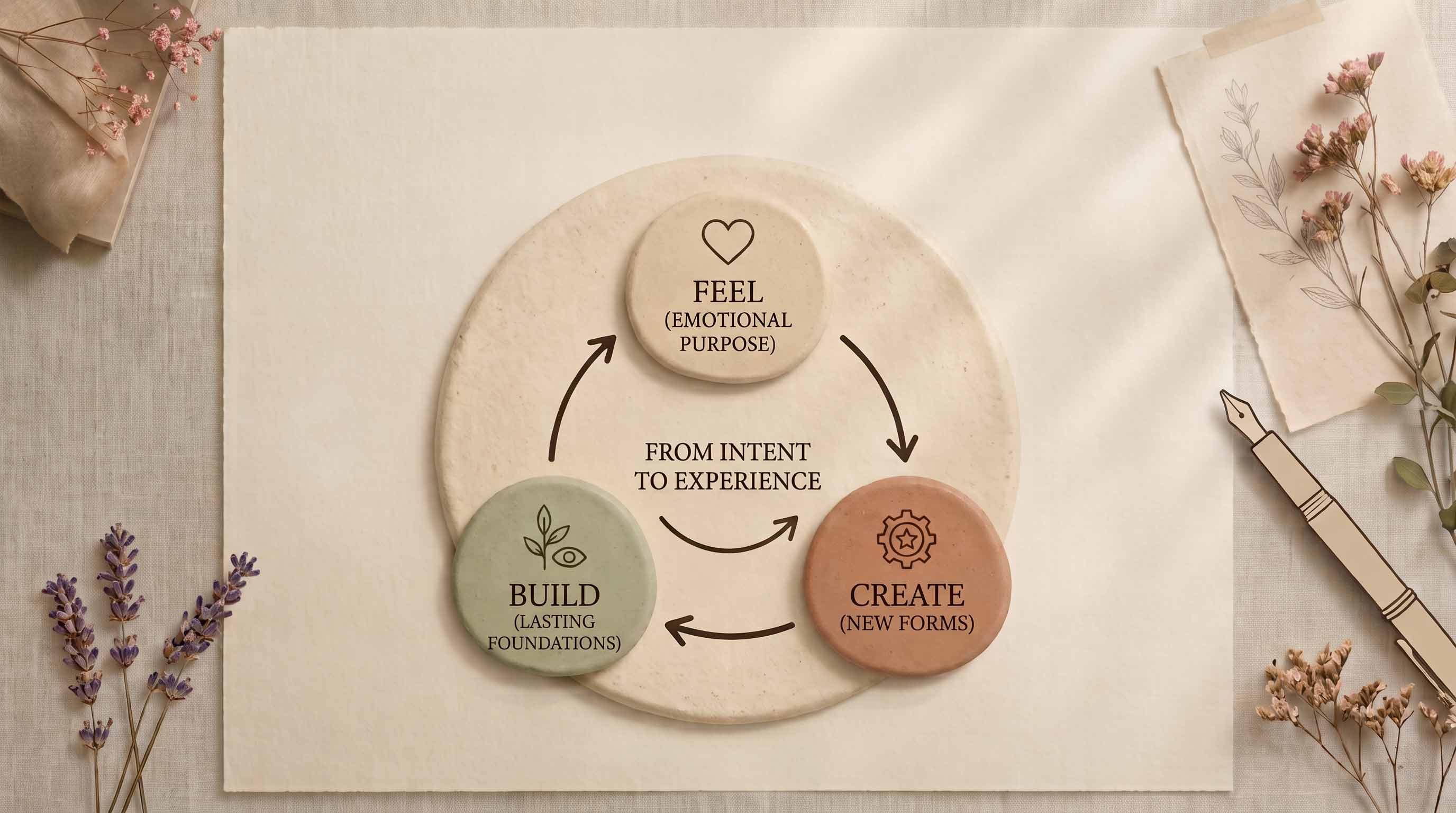
Why Feel to Create Became Important to Me
This is where Feel to Create began to take on a much deeper meaning.
When I first started developing the idea, I knew I did not want to create another workbook that simply gave people exercises to complete. I wanted to create something that encouraged people to slow down and examine what was happening internally before immediately jumping into the process of creating something externally.
We are often encouraged to begin with the output. We ask ourselves what we should create, what our brand should look like, what we should post, what our next project should be, or how we can make our work more attractive to an audience. Those questions are important, but I started to believe that there are questions that need to come before them.
What am I actually trying to express? What experiences are influencing this decision? What matters to me now? What am I becoming? What am I holding back? What no longer feels right? And perhaps most importantly, does what I am building still feel like it belongs to me?
The Feel to Create workbook is my attempt to create space for those questions.
It is also a reflection of my own process. I did not arrive at the idea from a place where everything was perfectly figured out. In many ways, it came from the opposite. It came from years of experimenting, changing direction, questioning myself, trying different things, and learning to understand the relationship between my experiences and the work I create.
The workbook became a way of putting some of those realizations into a format that other people could explore for themselves.
I do not see it as a manual for how someone should live or create. I see it more as an invitation to pause and examine. It gives people a place to put their thoughts, ideas, questions, and possibilities before they turn them into something tangible.
That is important to me because creativity is not always about producing more. Sometimes, creativity begins with understanding what is already inside us.
The Visual Identity Had to Evolve Too
The same thinking naturally found its way into my own visual identity.
For a long time, I treated my personal brand as a representation of the work I was doing at that particular stage of my career. That made sense at the time. My visual language reflected my interests, the kind of projects I was pursuing, and the way I wanted to be perceived.
But personal brands have an interesting challenge: they represent people.
And people are not static.
The person I was when I started building certain parts of my brand is not exactly the person I am today. My experiences have changed my standards, my perspective, my interests, and even the kind of work I want to be associated with.
So naturally, I began questioning whether my visual identity should evolve as well.
It would have been easy to approach this as a typical rebrand: change the logo, refine the typography, update the color palette, redesign the website, create new templates, and make everything feel more sophisticated.
But that would have missed the point.
I was not trying to make my brand look more expensive. I was trying to make it feel more honest.
The visual direction I am developing now is a reflection of a more grounded and intentional understanding of who I am, what I do, and where I want to take my work. The aesthetics are important, but they are a consequence of the thinking rather than the starting point.
That distinction matters.
When the visual identity comes first, you can end up building something that looks impressive but has very little connection to the person behind it. When the thinking comes first, the visual identity becomes a way of expressing that thinking.
That is what I wanted for myself.
Personal Branding Should Be Allowed to Evolve
This experience has also changed the way I think about personal branding in general.
There is a tendency to treat personal branding as something that needs to be defined once. You determine your niche, establish your positioning, choose your visual identity, create your content pillars, and then try to remain consistent for as long as possible.
Consistency is important, but I don’t think consistency should mean staying exactly the same.
A personal brand represents a person, and people evolve through experience. Our priorities change. Our ambitions change. Our interests become more specific. Sometimes we discover parts of ourselves that were there all along but never had the space to become visible.
Because of that, I believe redefining your personal brand should not automatically be viewed as a sign that something went wrong.
Sometimes, it is simply evidence that something has changed.
The challenge is knowing the difference between changing because you are chasing what everyone else is doing and changing because your current identity no longer represents where you are going.
Those are two very different things.
The first is reaction.
The second is intention.
For me, this current evolution is intentional.
I am not trying to erase everything I have built. I am looking at it more carefully and deciding what still belongs. Some things remain because they continue to represent me. Some things need to evolve because my perspective has changed. Other things have served their purpose and no longer need to come with me into the next chapter.
That process is not failure. It is refinement.
Redefining Your Brand Is Also Redefining Your Relationship With Yourself
One of the most interesting things I have discovered through this process is that a personal brand transformation is never entirely external.
We often talk about branding as though the goal is to influence how other people perceive us. Of course, perception matters. A personal brand needs to communicate value, establish credibility, and create a clear reason for people to connect with you.
But there is another side to it that I think deserves more attention.
When you redefine your brand, you also redefine how you see yourself.
You are forced to make decisions about what you want to stand for, what you want to be known for, what kind of work you want to attract, and what you are no longer willing to represent.
That requires a certain level of self-awareness.
You cannot make those decisions entirely from the perspective of what the market wants from you. There needs to be a relationship between your experience, your values, your ambitions, your capabilities, and the direction you want to take.
Otherwise, it is possible to build a brand that looks successful from the outside but feels completely disconnected from the person maintaining it.
That disconnect can become exhausting.
I think many people experience this without necessarily knowing how to articulate it. They have a brand, a portfolio, a social media presence, and perhaps even a successful career, but something about it no longer feels like them.
Sometimes the answer is not another strategy.
Sometimes the answer is taking the time to understand what has changed.
Why I Want Other People to Go Through This Process Too
This is ultimately why the development of Feel to Create and the evolution of my visual identity matter to me beyond my own work.
I want the things I create to encourage people to examine themselves, not simply consume information from me.
Whether I am working with a creative professional, a personal brand, or an organization, I am increasingly interested in the thinking that happens before the final output. I want to understand what someone is trying to build and why it matters to them before deciding how it should look or how it should be communicated.
Because a strong brand is not simply a collection of attractive visuals.
It is an expression of decisions.
It reflects what you value, what you want to be recognized for, who you want to serve, and where you believe you are going.
That is why redefining a personal brand should never be completely one-sided. It is not only about asking, “How do I want other people to see me?”
It is also about asking, “How do I see myself now, and does the brand I have built still reflect that?”
Those two questions need to exist together.
There Is No Need to Rush the Next Version
I am still figuring out my own answers.
That is something I am comfortable admitting now.
The evolution of my brand is not a declaration that I have finally discovered the perfect version of myself. The Feel to Create workbook is not proof that I have solved creativity. And the changes I am making to my visual identity are not an announcement that I have arrived at some final destination.
They are simply evidence that I am paying closer attention.
I am paying attention to what I have learned, what I have experienced, what continues to matter to me, and what I want the next chapter of my work to represent.
Perhaps that is what intentional growth actually looks like.
Not constantly reinventing yourself for the sake of appearing new, but periodically taking a step back and asking whether the things you are building still reflect the person you have become.
Sometimes the answer will be yes.
Sometimes it will be no.
And sometimes, like me, you will realize that parts of it are still right while other parts need to change.
That is okay.
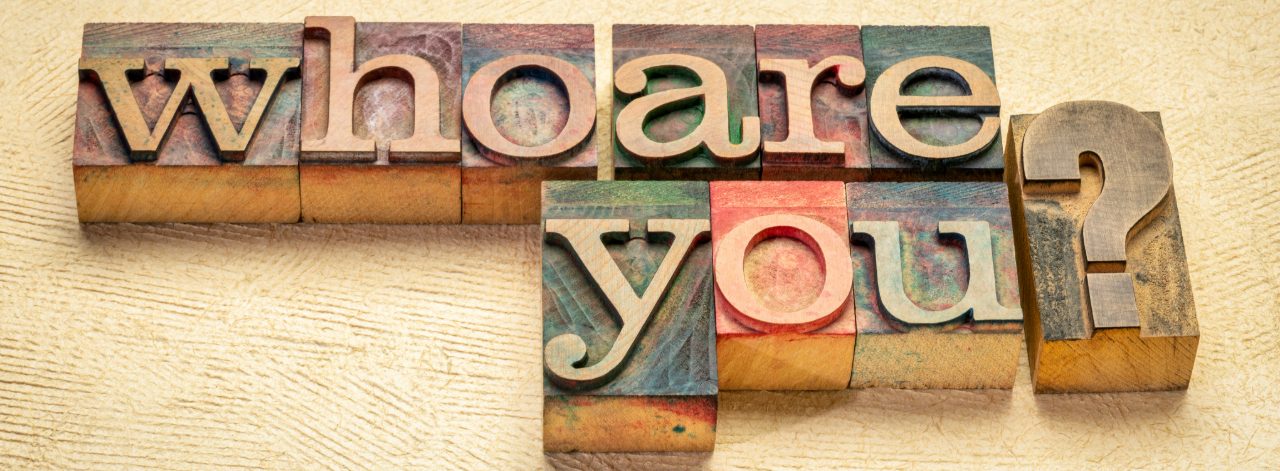
We are allowed to evolve without disowning our past.
We are allowed to change direction without declaring everything we did before as a mistake.
We are allowed to build something new from the experiences of everything that came before it.
For me, Feel to Create is part of that process. So is my evolving visual identity. They are not separate projects designed simply to make my work look different. They are expressions of a deeper shift in how I understand creativity, branding, and myself.
I am learning that the work we create is often a reflection of the way we understand ourselves at that moment. As that understanding grows, the work has the opportunity to grow with it.
And perhaps that is the real reason I wanted to create Feel to Create in the first place.
Not to tell people who they should become, but to give them a space to discover what is already becoming within them.
Because redefining your personal brand is not really about becoming someone else.
It is about making sure that the way you show up in the world has the room to evolve with you.